order viagrabuy levitra— Adam Plouff

buy generic viagrageneric levitra

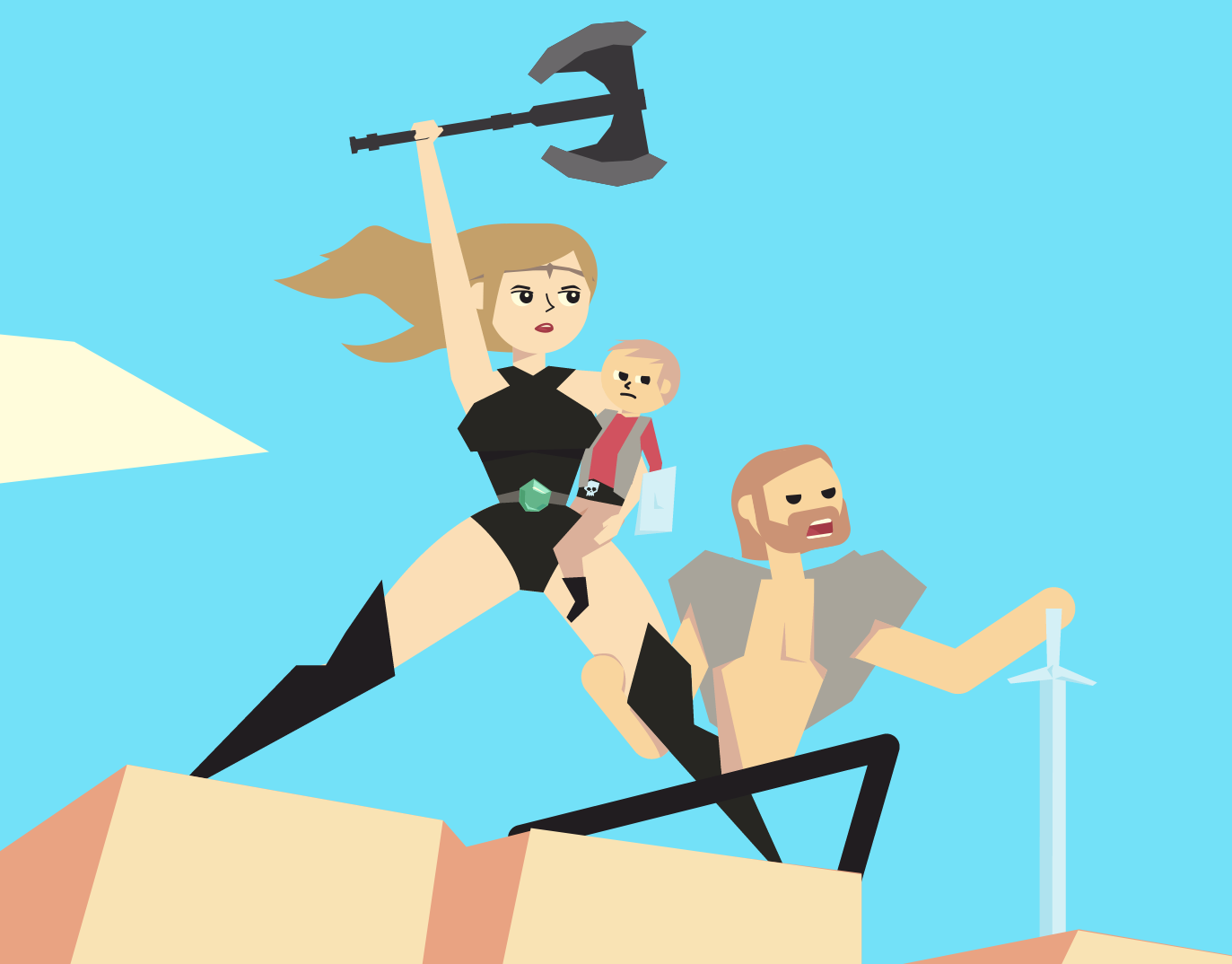
2011 has been the first full year in my own shop. And since christmas is the time for giving I wanted to do something nice and handmade for my clients. Many thanks to Ed at buy generic levitrabuy generic cialisDanger Press for doing work on the shirts and and order levitraorder cialisAlvin of G$P for some letterpress love. If you didn’t happen to give me money this year, here’s what you missed out on.

order levitra onlinegeneric levitra buy cialis onlineorder viagra online

buy generic viagrabuy cialis onlineRead More

Margaux is a sans-serif type study that grew into a full featured font family. It is constructed on simple geometry and naive idealism. This is my first font design, so it only seems fit to release it for free in the hopes of getting helpful feedback from people a lot more typographically aware than myself. So please, download and use Margaux for whatever projects you find it useful. As you find mistakes, areas for improvement, or general advice on type design, I would love to hear from you.

Download Margaux

Type Specimen

Read More

An odd thing happens when you Dynamically Link an After Effects comp into a Premiere Pro sequence. The AE comp takes on the framerate/interlacing of the PP sequence. This is how you keep that from happening.

Or, how to force Premiere to render your animation how you designed it.

For a more in-depth look at Dynamic Link and other Premiere features check out chrisfenwick.com. He’s a smart dude.

Read More

I’m in the process of switching from FCP to Premiere Pro 5.5. One of my biggest concerns was how it handled input and output from tape. Maybe people aren’t using tape that as much these days, but I (and most of the people I know) still finish to Digibeta or HDCam SR. I couldn’t find anything online about it so I just gave it a try. And made a video. It’s HD so I recommend watching a bit larger to actually see whats going on.

I’ve never made a screencast, so there are a lot of awkward pauses and UMMMMMs. Sorry about that. I’m sure I’ll get better. I hope.

Read More

There are a few things I do repeatedly. Once I do something enough times I usually try to find a way to automate the process. By automate I mean to find a system or tool that will do the work at the same level of quality (or better) in less time.

Project folder creation can easily be automated. After all, it’s just a set of hierarchical folders named appropriately. Some people keep a folder template called ProjectFolder on their desktop that they copy to their work drive whenever they start a new project. This totally works, and if this works for you don’t let me tell you otherwise.

I created a simple Automator script to do essentially the same thing, but it only takes one click and my naming scheme remains consistent.

Read More

Common sense tells us to keep a project and its assets organized – especially if we make a living off of these projects. Most people create a main folder, pile in a bunch of files and create subfolders as they see fit. This does create folder for each project, but it rarely has any kind of discernible structure.

Consistency: Aside from the chaotic nature of the ad-hoc folder structure is its lack of consistency. If you have to jump between projects in a day or have to revisit a older project it can hard to adjust to the scattered locations of files without consistent structure. Not to mention having to pass projects to other members of a team. The important thing to remember is that every time you are forced to think about the location of a file it takes mental energy that could be used for creating something. So being a better organizer can actually make you a better designer (or at least give you time to be).

Read More

My good friend Alvin is a great designer. He helps me make sense of all the stuff I did not learn when I did not go to design school. The following words of brilliance recently fell out of Alvin’s face:

Design is part intuition (talent) and part math. Even if you don’t have the talent you can learn the principles. Follow the rules and it will look good.

This got me thinking about grids, and how I never really figured them out. So in an effort to wrap my brain around this fundamental technique/tool, I redesigned my slate. A slate is a boring thing that no one ever notices – the funny thing is, all the clients who have seen it have noted it’s good-looking-ness. This is the nerdy stuff behind why it looks nice.

Phi: The mystical ratio of 1.618 forms a rectangle (864×1398) that sits nicely within title-safe of a 16×9 comp. This serves as the base form for the grid. The large chunk of the golden rectangle will hold the information, while the small holds the titles of that information.

Read More